·19 min read·Drug history
The Flesh of the Gods: A History of Psychedelics in Medicine
From early rituals and LSD research to modern clinical trials, the long and contested effort to turn psychedelics into medicines.
On the morning of June 4, 2024, 11 scientists filed into a conference room at an FDA facility in Silver Spring, Maryland, to answer a question that would have seemed insane a generation ago. Does ecstasy work as a medicine?
Ecstasy or MDMA was paired with an intensive course of talk therapy for treatment of PTSD. The company behind this, Lykos Therapeutics, had spent decades and tens of millions of dollars exploring this. Lykos had run 2 Phase III trials that had been published in one of the most prestigious journals, Nature Medicine. 71% of patients no longer met the criteria for PTSD. The dropout rate was nearly zero. The advisory committee voted 9 to 2 against efficacy and 10 to 1 against a favorable risk-benefit.
Two months later, the FDA formally rejected the application.
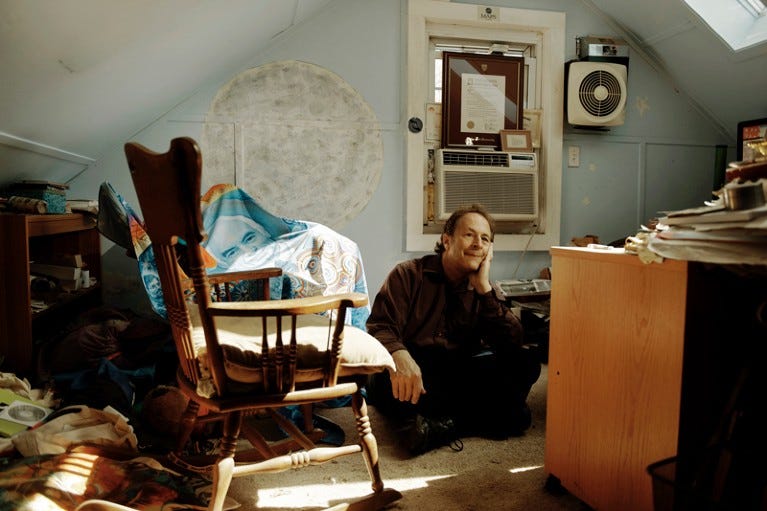
Rick Doblin (pictured below) had spent his entire career on this. In 1986, he founded the Multidisciplinary Association for Psychedelic Studies with the sole aim of making MDMA a legal medicine. This dream was dead. The company laid off most of its staff, and the field’s greatest champion had been defeated.
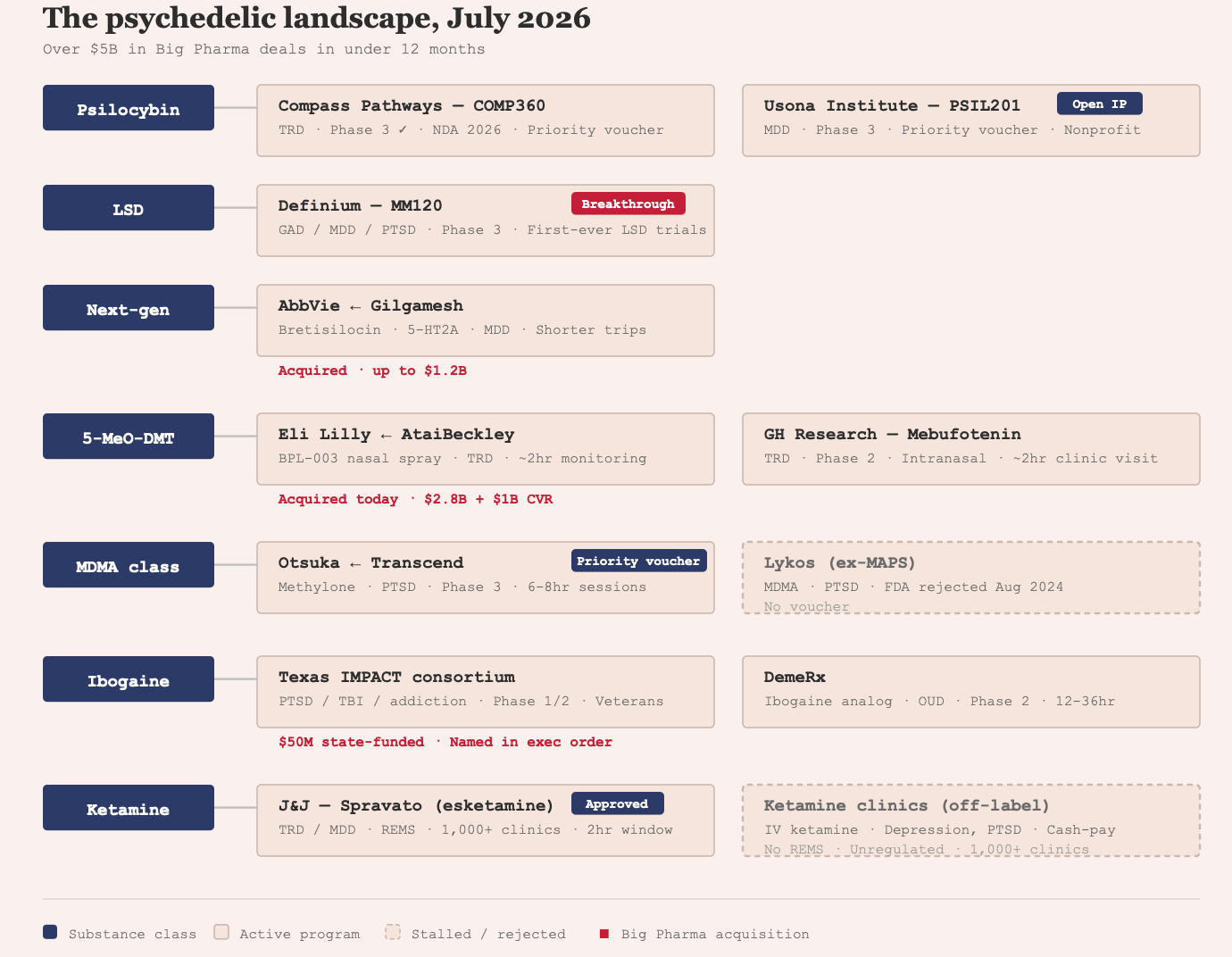
Less than 2 years later, in April this year, President Trump signed an executive order directing the FDA to fast-track psychedelic medicines. The FDA handed out priority-review vouchers to 3 psychedelic programs. And this morning, on July 16th Eli Lilly announced it would acquire a psychedelic biotech for $2.8 billion.
This field is one of the most interesting in modern biotech. This essay will examine the revolution and the molecules behind it, dating their entire history and entwinement with human culture, across thousands of years and different continents.
Part I: The impossible product
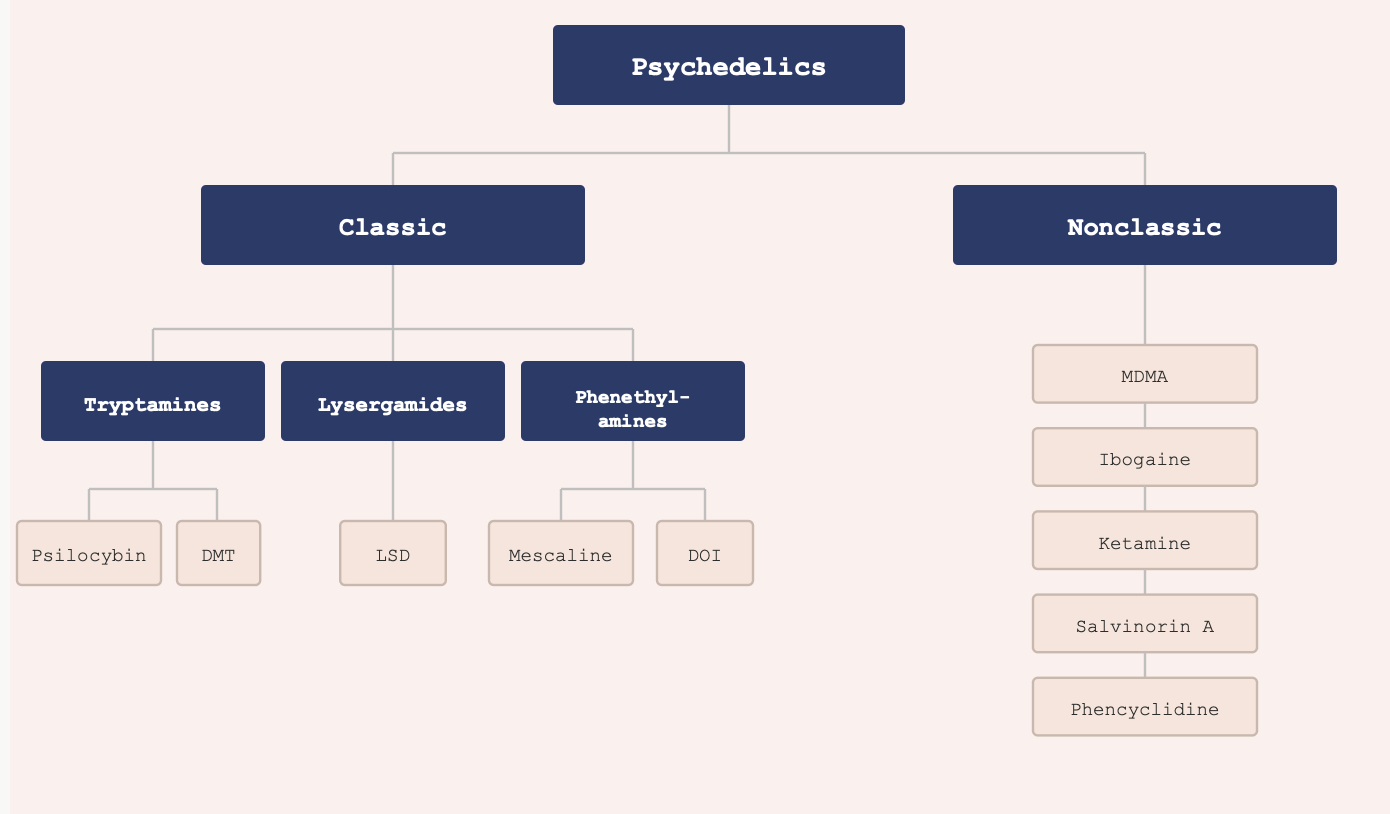
Before we go further, we need to get the pharmacology right. Psychedelic is a loose word that covers several molecules and can broadly be divided into classic and non-classic. Classic psychedelics include magic mushrooms and LSD. Non-classic psychedelics include MDMA and ketamine.
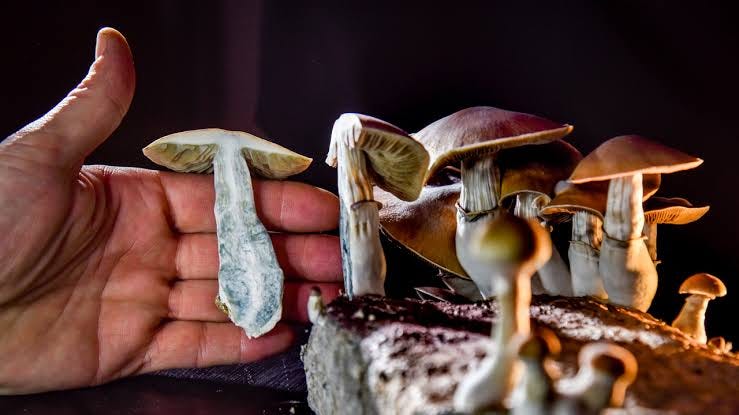
Psilocybin or magic mushrooms are classic.
Magic mushroom contains psilocybin, which does very little on its own. When you swallow the mushroom, your liver strips off a phosphate group and hands back psilocin which is the molecule that actually does the work. In other words, you manufacture your own high.
Psilocin targets a serotonin receptor called 5-HT2A. And this is what all of the classic psychedelics, LSD, DMT and mescaline do.
LSD was first made by Albert Hofmann in a Swiss laboratory in 1938 and is the most potent. It is dosed in micrograms. Mescaline is the active ingredient of the peyote and San Pedro cacti. DMT is the fast and ferocious. When smoked, it delivers a shattering journey that begins and ends within about fifteen minutes.
The serotonin receptors that psychedelics activate are concentrated in the cortex which is the brain’s wrinkled outer layer. This is where higher thinking happens. Classic psychedelics make the cortex more excitable and less rigidly organized. They loosen the brain’s top-down constraints and allow normally segregated brain networks to communicate more freely.
At high enough doses the boundary between the self and the world thins, leading to ego dissolution or what the Aztecs called seeing the gods.
Two features of classic psychedelics are very important. Firstly, they are not addictive. Lab animals will not self-administer them, which is the gold standard for measuring habit-forming potential. There is no dependence and no withdrawal. Secondly, the effects are so unmistakable that an individual is able to know when they have received psilocybin over a sugar pill.
MDMA gives profound feelings of empathy and trust.
MDMA or ecstasy or molly is actually a stimulant. MDMA triggers a floodgate. It enters serotonin neurons and forces the mass release of serotonin, along with dopamine and norepinephrine, and indirectly oxytocin (the bonding hormone).
The result is a wave of profound emotional openness. A patient can describe the worst day of their life and feel safe enough to actually process it. The problem is that MDMA is a reinforcing stimulant. Animals will self-administer it. And at high doses, there are real concerns about serotonergic neurotoxicity.
Ketamine for depression is the model.
The third drug in the group is ketamine, along with its FDA-approved cousin esketamine, which is sold as Spravato. Ketamine is a dissociative and it works on a third neurotransmitter system, blocking the NMDA glutamate receptor. It creates a sense that the mind is floating freely from the body. At anesthetic doses, it leads to unconsciousness.
What made ketamine so interesting was that it produces an antidepressant effect, within hours. SSRIs for comparison, work over weeks. Esketamine or Spravato was approved for depression in 2019. It showed that a powerful, mind-altering drug could be administered in a clinic under direct medical supervision and monitored for a couple of hours. This supervised-dosing template, in which you come in and take the drug there is the business plan for psilocybin and MDMA clinics.
When the FDA approved Spravato in 2019, it imposed something called a REMS program which stands for Risk Evaluation and Mitigation Strategy. This means Spravato is only available through a restricted and closed distribution pipeline. Every dose is administered in a certified setting, under direct medical supervision.
This is not how drugs normally work and is a new category of healthcare delivery. There are now over 1000 Spravato clinics in the US. The Spravato REMS is the template for psychedelics.
A novel category that does not fit
This leads to the deepest question the field has to answer. Are we evaluating this in the right way?
The randomized controlled trial was designed for molecules. You give the molecule, and compare its effect to a placebo. But this also rests on the ability to blind: meaning that the patient does not know what they got, and so any difference in outcome can be attributed to the drug.
Psychedelics break this architecture. You cannot blind them. The experience is the drug. There is no set mechanism for evaluating a drug and 40 hours of therapy and a trained therapist pair. These drugs are being forced through a regulatory apparatus designed for something completely different. The closest analogy might be surgery, where the placebo is a sham surgery. But this is ethically controversial and rarely done. Psychedelics occupy the same awkward space, where the experience of the intervention is inseparable from its effect.
Part II. The flesh of the gods.
The oldest evidence for psychedelics comes from the Shumla Caves in southwest Texas. This is where the Rio Grande cuts through limestone country that is painted with ancient murals. The peyote buttons that were recovered there are 5,700 years old.
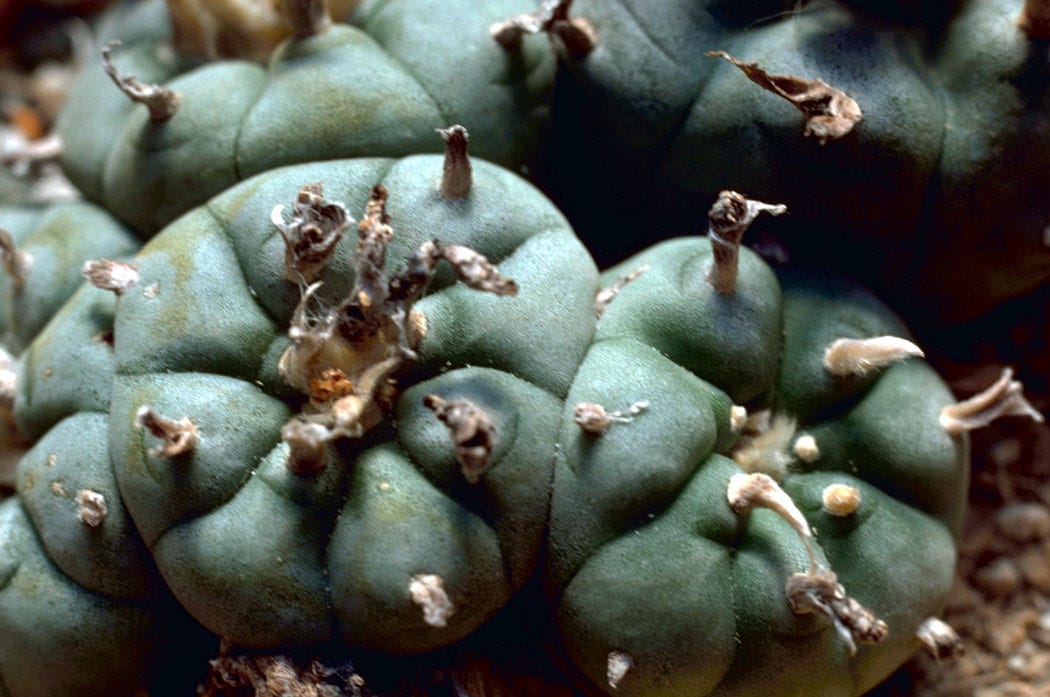
Peyote is a squat and spineless plant (see below) that grows only in the Chihuahuan desert straddling the Texas–Mexico border. For the Wixárika people of Mexico, harvesting it still means a long yearly pilgrimage across the high desert to a sacred land they call Wirikuta. North of the border, in the Native American Church these all-night ceremonies were initially criminalized and finally protected by an act of Congress in 1994.
The southern hemisphere had its own sacred cactus. High in the Peruvian Andes, the tall, columnar San Pedro cactus, which also brims with mescaline was brewed into a bitter drink by healers.
The Nahua peoples of central Mexico called the psilocybin mushroom teonanácatl meaning flesh of the gods. They were eaten with honey at feasts leading to laughter, weeping and prophecy. Unfortunately, the Spanish clergy considered it to be a satanic ritual. They labeled teonanácatl and peyote as idolatry and devil-worship; the visionary sacraments were driven underground.
In central Africa, the Bwiti religion centers on iboga, whose root bark contains ibogaine, a stimulant at low doses. At high ones it can trigger a long, dreamlike visionary state that some describe as a symbolic death and rebirth.
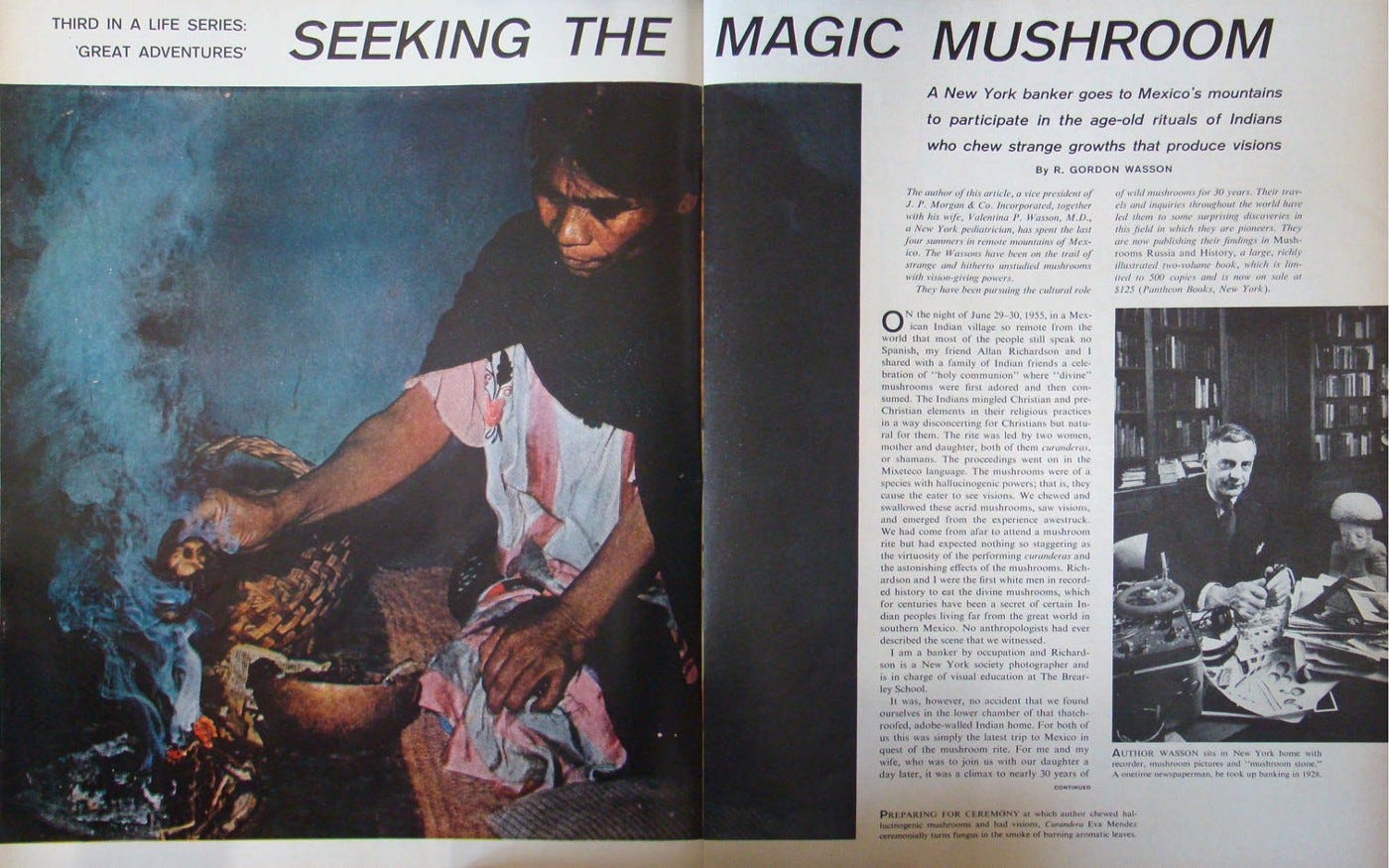
Despite all of this history, the modern West encountered psychedelics again through a J.P. Morgan VP called R. Gordon Wasson who was obsessed with the cultural history of mushrooms. In the summer of 1955, in an Oaxacan mountain town, he persuaded a Mazatec healer named María Sabina to admit him to a velada which is an all-night healing ceremony where one eats the sacred mushrooms.
In 1957, Life magazine published his essay Seeking the Magic Mushroom. Sadly, there were consequences for María Sabina and her town, as celebrities descended looking for sacred mushrooms. She was ostracized by her community, briefly jailed, and her house burned. "From the moment the foreigners arrived to search for God," she said, "the saint children lost their purity. They lost their force; the foreigners spoiled them. From now on they won't be any good. There's no remedy for it." She died penniless at ninety-one.
Part III. The first scientific wave, and its ruin.
Surprisingly, the modern chemistry predates the JP Morgan VP adventure. In 1938, at Sandoz, one of the great Swiss pharmaceutical companies, a chemist named Albert Hofmann synthesized LSD. He was searching for a circulatory stimulant from ergot, a fungus that grows on rye. LSD did nothing in animal testing and so the company shelved it but in 1943, driven by a peculiar presentiment he made it again. He decided to experiment with it and swallowed 250 micrograms, which he believed to be a cautious dose but was actually several times the psychoactive amount. He was overwhelmed, and ended up being cycled home by his assistant through streets that seemed to be melting
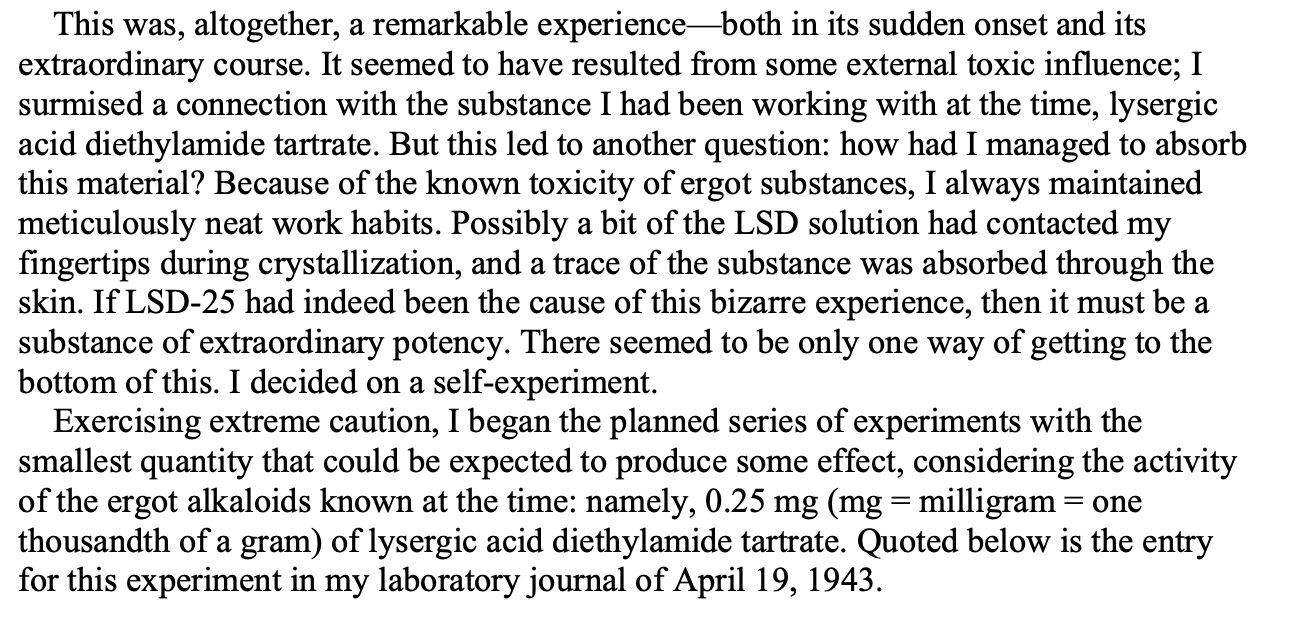
He was convinced his neighbor was a witch and that he was going insane. He was fine by the next morning. At age 100, he said LSD had given him "an inner joy, an open-mindedness, a gratefulness, open eyes and an internal sensitivity for the miracles of creation."
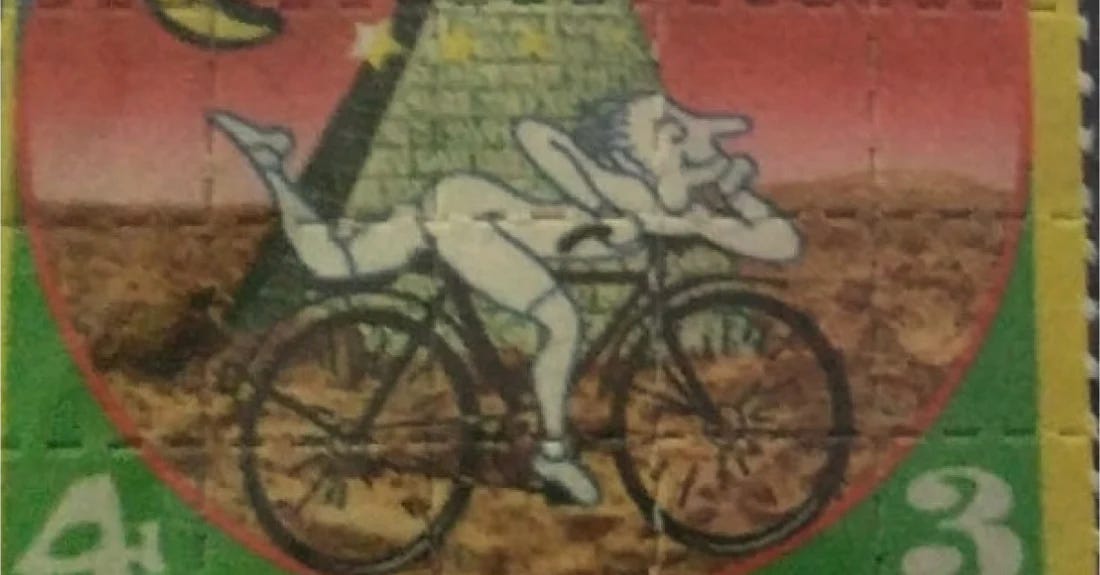
Hofmann and his colleagues kept experimenting on themselves, mapping the drug's potency, while the company puzzled over what it might actually be good for. The answer arrived when they gave LSD to healthy volunteers and psychiatric patients in the first clinical study of the drug. It produced a temporary state like psychosis.
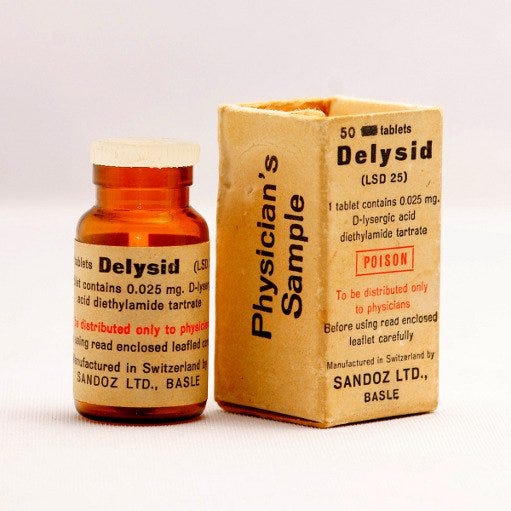
In 1947 Sandoz brought LSD to the market as Delysid, distributing it to psychiatrists as an adjunct to psychotherapy, and for clinicians to induce in themselves a temporary psychosis to understand what their patients endured. Over the next 15 years the drug became, briefly, the hottest topic in psychiatry. It is thought more than 40,000 patients received LSD between 1950 and 1965.
Two therapeutic schools emerged. In Saskatchewan, Canada, two psychiatrists developed psychedelic therapy. This involved giving alcoholics a single dose of LSD designed to induce a transformative mystical experience, where they reported that a large minority of otherwise hopeless patients stopped drinking.
In Britain, the opposite approach was being pioneered with repeated, smaller doses to loosen the defenses of patients in ongoing psychoanalysis.
It was one of the Saskatchewan psychiatrists, Humphry Osmond, who gave the field its name. He and Aldous Huxley the author of Brave New World who had become fascinated by mescaline. Osmond liked the Greek for mind-manifesting: "To fathom Hell or soar angelic, just take a pinch of psychedelic."
An intermezzo from Merck: the strange birth of MDMA
While LSD was moving through the clinics, MDMA was sitting entirely forgotten in a patent archive. MDMA was first synthesized at Merck in 1912. It remained untouched for six decades and was discovered in the ‘70s by Sasha Shulgin, whohad set up a private lab in a backyard shed in Lafayette, California**.** He was methodically synthesizing and self-testing psychoactive compounds. He re-synthesized MDMA and was struck by its heart opening quality. He then introduced it to a psychologist, who began using it quietly in therapy under the code name Adam and trained an underground network of therapists in its use.
The place where the science tipped over into a movement was at Harvard. In 1960 a charismatic lecturer named Timothy Leary launched the Harvard Psilocybin Project, with his colleague Richard Alpert and the two began handing the drug out. On Good Friday of 1962, a group of divinity students gathered in the basement of Boston University's Marsh Chapel. They were running a double-blind study. The students either got psilocybin or an active placebo. Those who received the real thing came away reporting genuine mystical experiences.
The rigorous research began curdling into evangelism. Leary grew convinced psychedelics could remake civilization and so both men were pushed out of Harvard. Leary became an outlaw, cycling through arrests and even a prison escape. He was reportedly branded the most dangerous man in America. Alpert travelled to India, took a guru and came home as Ram Dass, under which he wrote Be Here Now.
LSD flooded into the counterculture, with sensational press coverage of bad trips. Sandoz was alarmed and halted their production, recalling its LSD and psilocybin.
The pushback ultimately led to the Controlled Substances Act, which placed LSD, psilocybin, mescaline and DMT in Schedule I. In 1985, MDMA followed. This designation meant that as a matter of federal law, these substances had no medical value. Overnight the field ended.
Part IV. The second birth
The true reopening of therapeutic research came in 2006 from Johns Hopkins. The team led by Roland Griffiths, a soft-spoken pharmacologist who had spent most of his career studying caffeine and sedatives, published a study in which 36 hallucinogen-naïve volunteers received psilocybin under double-blind conditions. Two-thirds of them rated the psilocybin session as among the five most personally meaningful experiences of their entire lives, ranking it alongside the birth of a first child.
Griffiths was a rigorous, NIH-funded scientist at one of the most respected medical schools in the world. The message was unmistakable: this was real science.
In London, another team tested psilocybin for treatment-resistant depression, running a head to head trial against Lexapro, which found psilocybin to be essentially at the very least equivalent.
Griffiths himself was diagnosed with Stage IV colon cancer in 2022. The man who had shown psilocybin could help terminal patients was now one himself. When asked if he planned to take psilocybin, he said he was worried it would disrupt the peace he had already found. He died in October 2023, at 77.
The MDMA bet
For most of the modern revival however, MDMA was the front-runner. Rick Doblin, the founder of MAPS ran 2 randomized, double-blind Phase III trials, both published in Nature Medicine.
MAPP1 was the first trial in 2021 and the confirmatory trial MAPP2 was run in 2023. Each paired MDMA with the same intensive course, three 8 hr dosing sessions wrapped in months of preparation and integration therapy. They measured PTSD on the clinician-scored CAPS-5 scale. On this scale a higher score is worse and a 10-point drop is considered clinically meaningful.
The results were superb. In the confirmatory MAPP2 trial, 71% no longer met the criteria for PTSD, against 48% in the placebo-plus-therapy arm. Remission roughly doubled. Dropout in the MDMA arm was almost nonexistent (1.9%, against 15.7% on placebo).
The safety profile was mostly clean with no serious adverse events.
But two facts were concerning. The first was that the placebo-plus-therapy arm worked well too meaning that some of the benefit could be due to the therapy, not the drug. The second was that the blind barely held. By the end of the trial, 94% of MDMA patients correctly knew what they had been given.
The Buisson case
These questions might have been manageable, but what came next shook the field.
Meaghan Buisson was homeless in Vancouver and out of treatment options when she signed up for a MAPS-sponsored Phase II trial in early 2015. She was confronting the aftermath of sexual abuse and assault. “It was a Hail Mary,” she told the CBC.
Her co-therapists were a married couple on Cortes Island, British Columbia: a psychiatrist named Donna Dryer, and her husband Richard Yensen, who it turned out was not a licensed therapist. The sessions were videotaped for quality control. Journalists who later watched more than 75 hours of the recordings described what they showed. Throughout the sessions, Yensen was in near-constant physical contact with Buisson, ranging from light touches to lying in bed beside her. In the most extreme footage, he pinned her body down with his weight as she relived her past sexual assault. At multiple points, she cried out for him to get off her.
Yensen has admitted to having sex with Buisson after the sessions ended but while she was still enrolled in the trial. She has alleged it was sexual assault. The case was settled out of court. MAPS paid Buisson $15,000 “on a compassionate basis.”
It is tempting to call this two bad actors at one site. But think about the treatment model. MDMA is designed to lower a patient’s defenses. It was given to a blindfolded woman over an 8 hour session, in a room with two people who held near-total authority over her experience. The misconduct later triggered the retraction of three published papers.
The letter
On 4 June, the FDA voted 1 to 10 that the benefits of MDMA did not outweigh its risks.
Two months later, they issued a formal response letter and asked MAPS to run another Phase III trial. The rejection letter was a fair critique of the study. The FDA also suggested that the future trial should test the drug with no psychotherapy at all to find out how much of the effect was the drug in the first place. Lykos laid off most of its staff.
Part V. The one that took its place
As MDMA lost steam, psilocybin continued to gain traction.
Compass Pathways, a London-founded, Nasdaq-listed biotech, developed psilocybin for treatment-resistant depression. They ran 2 placebo-controlled Phase III trials and hit both, in 2025 and 2026. They were the first positive Phase III trials for any classic psychedelic in history. But the effect was modest, only a few points on a depression scale. Compass’s stock fell even though the trials had technically succeeded.
The nonprofit Usona Institute is developing psilocybin for major depression. It published its manufacturing method into the public domain so that it can never be patented. Its Phase II trial, in JAMA in 2023, showed a large and rapid antidepressant effect. Two organizations with opposite philosophies.
Definium: the return of LSD
Perhaps the most audacious bet in the field is Definium Therapeutics which is running the first Phase III clinical trials of LSD. Their compound, MM120 is being tested in generalized anxiety disorder (GAD). GAD affects almost 7 million Americans each year for which no new drug has been approved since 2007.
The Phase 2b results, published in JAMA in 2025, were striking: a single 100-microgram dose produced rapid, clinically significant reductions in anxiety that lasted through twelve weeks, with a 65% response rate. Crucially, the trial was designed without any accompanying psychotherapy, isolating the pharmacological effect in a way that the MDMA trials never did. This is a direct answer to the FDA’s methodological challenge.
But MM120 (now DT120) presents its own operational headache. An LSD session at 100 micrograms is an almost eight hour experience.
Big Pharma comes in
And then, starting in late 2025, big pharma started writing checks. AbbVie acquired Gilgamesh Pharmaceuticals’ lead compound bretisilocin, for up to $1.2 billion. Bretisilocin is a next-generation 5-HT2A agonist designed for shorter trips and easier clinic workflow.It was the first time a top-ten pharma company had placed a billion-dollar bet on a psychedelic compound.
Otsuka, the Japanese pharma giant, agreed to acquire Transcend Therapeutics, which is developing methylone, an MDMA analog, for PTSD**.**
And then, this morning: Eli Lilly announced it will acquire AtaiBeckley for $2.8 billion upfront. AtaiBeckley’s lead asset is BPL-003, a synthetic 5-MeO-DMT nasal spray for treatment-resistant depression administered in a clinic with about two hours of monitoring.
The Lilly deal is the largest psychedelic acquisition in history. It comes from the company that invented Prozac which is the drug that defined the first antidepressant revolution. The fact that they are now paying $2.8 billion for a tryptamine nasal spray tells you where pharma thinks psychiatry is heading. In under 12 months, Big Pharma has committed more than $3 billion to psychedelic drug programs.
Part VI. From rejection to executive order
In the space of 18 months, the field went from regulatory defeat to the most powerful political tailwind. In April, President Trump signed an executive order framed around the epidemic of veteran suicide, to fast-track breakthrough-designated psychedelics.
Days later, the FDA awarded 3 National Priority Vouchers which compress a drug’s final review from a year to as little as one month. This was given to Compass Pathways and Usona for psilocybin and to Transcend Therapeutics.
MDMA was not mentioned despite being the molecule that led the field for four decades. There is still a lot to settle but a story that began with a cactus and ran through several revivals is now once again beginning with a presidential signature.
Approval, of course, is not access. A course of MDMA-assisted therapy will cost an estimated $15,000. A psilocybin session requires trained clinical staff for eight hours. We do not currently have the trained workforce for this.
The economic case is that untreated severe PTSD costs more than $500,000 per patient over a lifetime, and treatment-resistant depression accounts for nearly half of the estimated $93 billion in annual U.S. depression spending. I believe that the economics favor psychedelics, but right now insurance does not.
Under federal law, state Medicaid programs must cover virtually all FDA-approved drugs. So if psilocybin is approved, coverage becomes mandatory in theory. In practice, the Spravato REMS took 5 years to reach a 1000 clinics for a drug with a 2 hr observation window. Scaling a 6 hr supervised psychedelic experience for millions of patients is a different order of problem.
The commercial landscape has split: for-profit companies racing to patent specific formulations on one side. Non profits, on the other, are trying to keep the molecules free. The tension between these philosophies will define the next decade.
Conclusion
The FDA never solved the problem it named in 2024. The field solved it. Definium ran MM120 trials with no therapist in the room and bretisilocin was engineered to shorten the trip. Transcend’s methylone has a federal fast-track voucher for a version of the drug that does not hallucinate. And this morning, Eli Lilly paid $2.8 billion for a nasal spray you can be discharged from in ninety minutes. The drugs still produce experiences but they have been trimmed to fit a billing code.
We asked whether the institutions of medicine could handle what these molecules do. They can…by engineering them to do less.
Read next